


Winter Plumbing Prep Checklist for Homes in Maryland
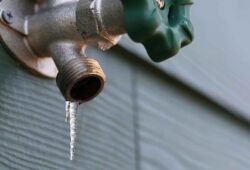
Maryland winters can shift from mild to freezing with little warning, and sudden temperature drops often create serious plumbing challenges for homeowners. Frozen pipes, ruptured lines, and failing water heaters are common winter issues throughout the region. Homes with older plumbing or limited insulation face even greater risks when the cold sets in.
Preparing your plumbing system before winter begins is the most effective way to avoid expensive damage and inconvenient emergencies. This blog provides a complete winter plumbing prep checklist designed specifically for Maryland homeowners. By following these steps, you can protect your pipes, conserve energy, and keep your home running smoothly throughout the coldest months.
Understanding How Maryland Winters Affect Plumbing
Maryland experiences a mix of coastal humidity, inland cold snaps, and unpredictable winter storms. These shifting weather patterns put unique stress on residential plumbing systems. When temperatures fall, water inside pipes can freeze and expand, which increases the likelihood of blockages or ruptures. Even short freezes can cause problems when a home has exposed or uninsulated plumbing.
Homes in different parts of Maryland face different levels of winter risk. Coastal areas may experience more moisture and occasional deep freezes, while inland areas often see extended periods of below freezing temperatures. Regardless of location, preparing plumbing systems before the first hard freeze is essential for preventing costly winter damage.
How Cold Weather Impacts Maryland Plumbing
Cold conditions create several challenges that homeowners should address early.
-
Freezing water can block pipes and cause internal pressure buildup
-
Older pipes and fittings are more likely to crack during temperature swings
-
Rapid freeze thaw cycles weaken plumbing materials over time
-
Uninsulated areas of the home are more vulnerable to sudden cold fronts
Understanding these seasonal risks allows homeowners to prepare effectively and reduce the chance of emergency plumbing repairs.
Inspecting and Preparing Indoor Plumbing
Indoor plumbing plays a major role in winter readiness. Small issues that go unnoticed during warmer months can quickly turn into bigger problems when temperatures drop. Taking time to inspect pipes, fixtures, and valves helps prevent leaks, water damage, and unexpected emergencies during the coldest part of the season.
Check for Leaks and Corrosion
A quick visual inspection can reveal early signs of trouble before winter stress makes them worse.
-
Look for moisture, staining, or drips around sinks, toilets, and appliances
-
Inspect visible pipes for corrosion or mineral buildup
-
Repair minor issues now to avoid major problems later
Insulate Exposed Indoor Pipes
Pipes located near exterior walls or unheated areas should be insulated to prevent freezing.
-
Cover pipes in basements, crawl spaces, garages, and utility rooms
-
Use foam insulation sleeves or pipe wrap for added protection
-
Focus on pipes closest to drafty or uninsulated sections of the home
Test Shutoff Valves Throughout the Home
Functional shutoff valves help homeowners respond quickly to leaks or bursts.
-
Make sure valves open and close smoothly
-
Label valves for easy access during emergencies
-
Repair or replace valves that are stuck or difficult to operate
Run Water Through Seldom Used Fixtures
Unused fixtures are more likely to freeze since water remains stagnant inside the pipes.
-
Turn on taps in guest bathrooms periodically
-
Run water through basement or utility room sinks
-
Flush toilets in areas that are rarely used
These simple steps help safeguard indoor plumbing and reduce the risk of winter related plumbing failures.
Winterizing Outdoor Plumbing
Outdoor plumbing lines are the most exposed to winter weather, which makes them especially vulnerable to freezing. Preparing these components before temperatures drop is essential for preventing bursts, leaks, and costly damage. A few proactive steps can protect your outdoor faucets, hoses, irrigation systems, and other exterior plumbing fixtures throughout the winter season.
Disconnect and Drain Garden Hoses
Hoses that remain connected trap water inside the faucet and pipe, increasing the risk of freezing.
-
Remove all hoses from outdoor spigots
-
Drain water from each hose before storing
-
Store hoses indoors to prevent cracking or damage
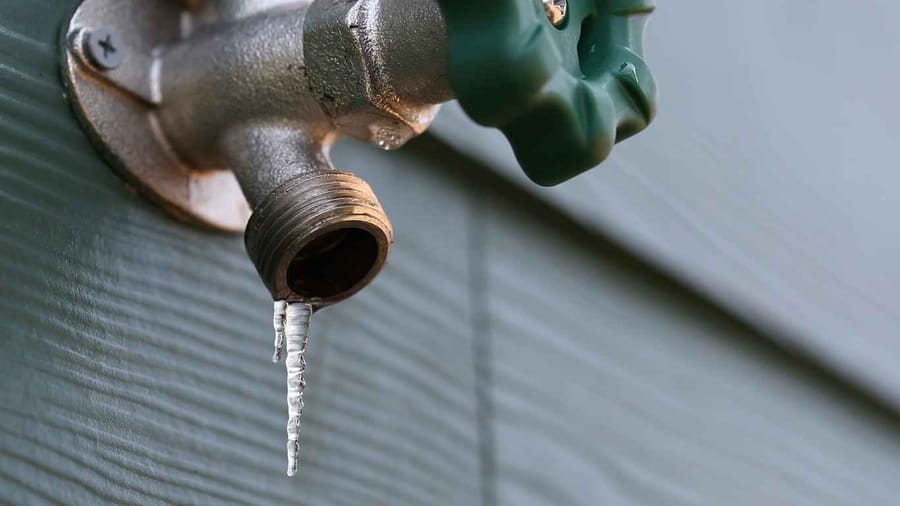
Shut Off and Drain Outdoor Faucets
Outdoor faucets should be drained fully to prevent trapped water from expanding.
-
Locate and close the interior shutoff valve for outdoor spigots
-
Open the exterior faucet to let remaining water drain
-
Install faucet covers for added cold weather protection
Prepare Irrigation Systems for Freezing Weather
Sprinkler systems require specific winterization steps to prevent line damage.
-
Turn off the irrigation main supply
-
Drain or blow out water from the system
-
Protect exposed components with insulation caps if needed
Protect Exterior Plumbing Lines
Any exposed section of outdoor piping benefits from added insulation.
-
Use foam sleeves or wrap designed for outdoor use
-
Cover plumbing near crawl spaces, garages, or exterior walls
-
Check for gaps where cold air may reach pipes and seal them
Winterizing outdoor plumbing reduces the chance of frozen lines and keeps water systems working properly through Maryland’s coldest months.
Preparing Your Water Heater for Winter
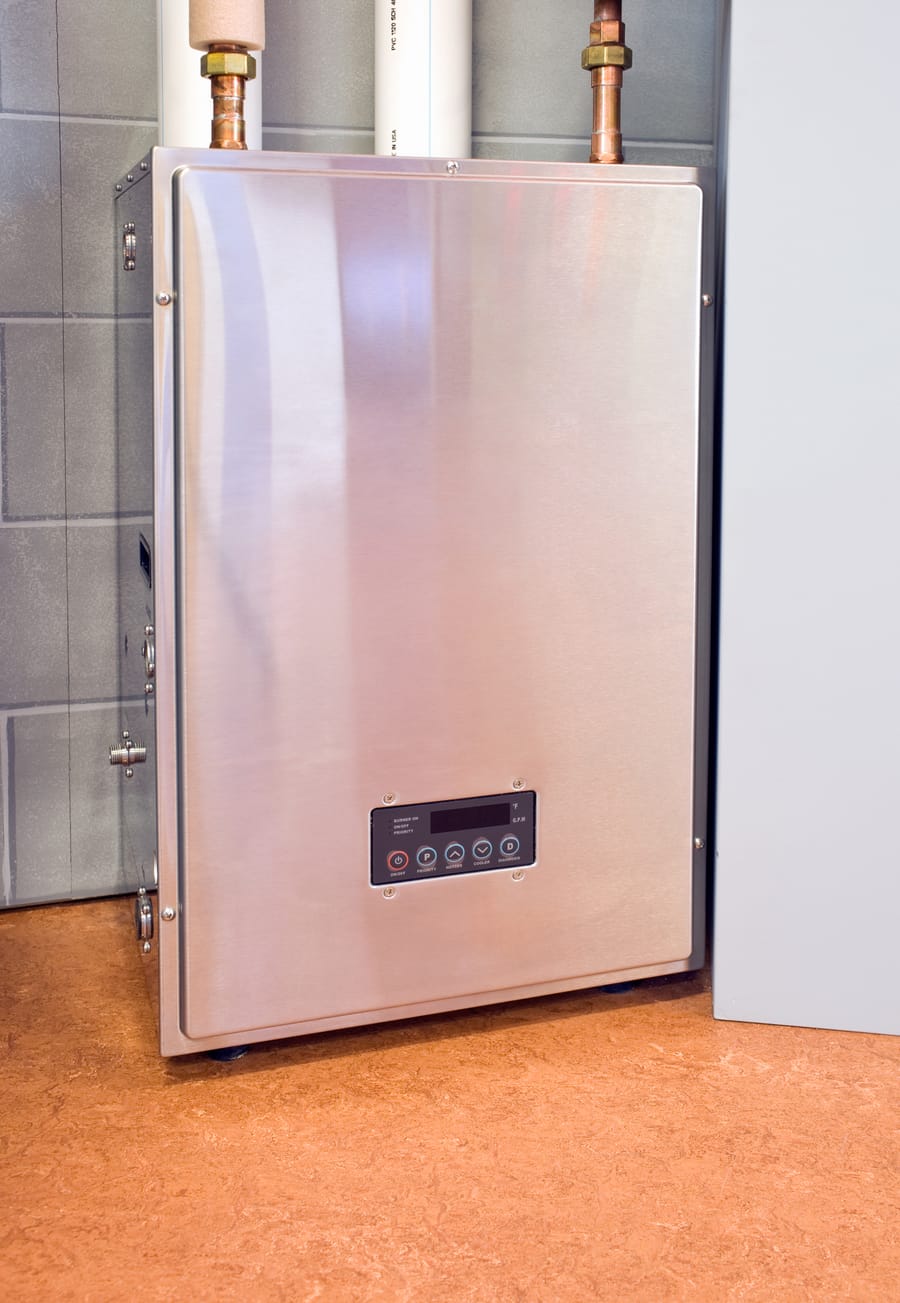
Your water heater works harder during winter as incoming water temperatures drop and household demand increases. If the unit is older or not maintained regularly, it may struggle to keep up, leading to inconsistent hot water or unexpected breakdowns. Preparing the system before cold weather arrives helps improve efficiency and ensures reliable performance all season long.
Assess the Age and Condition of the Unit
A quick evaluation can reveal whether your water heater is ready for winter stress.
-
Check the age of the unit to determine remaining lifespan
-
Look for signs of rust, leaks, or unusual noises
-
Schedule an inspection if you notice reduced hot water output
Flush the Tank to Remove Sediment
Sediment buildup forces the water heater to work harder and reduces heating efficiency.
-
Drain several gallons from the tank to remove debris
-
Flush the tank completely if it has not been serviced recently
-
Consider professional help if buildup is severe
Adjust Temperature for Better Winter Performance
Slight temperature adjustments help compensate for colder incoming water.
-
Set the temperature to a safe and efficient level, typically around 120 degrees
-
Avoid setting it too high to prevent scalding and energy waste
-
Monitor performance during the first cold weeks
Check Insulation Around the Tank and Pipes
Proper insulation helps the system maintain heat more efficiently.
-
Wrap older tanks with an insulation blanket if needed
-
Add pipe insulation to hot water lines near the tank
-
Ensure the area around the heater remains warm and free of drafts
Preparing the water heater before winter helps ensure consistent hot water and reduces the likelihood of emergency repairs during freezing weather.
Preventing Frozen Pipes During Severe Cold
Frozen pipes are one of the most common winter plumbing emergencies in Maryland. When temperatures fall quickly, vulnerable pipes can freeze and create dangerous pressure buildup. Taking preventative steps before and during severe cold helps keep water flowing and reduces the risk of costly pipe bursts.
Identify High Risk Areas in the Home
Certain parts of the home are more likely to experience freezing conditions.
-
Basements, crawl spaces, and attics
-
Pipes near exterior walls or uninsulated sections
-
Utility rooms or garages without heating
Use Heat Tape or Pipe Wrap When Necessary
These tools can help protect pipes in areas where insulation alone is not enough.
-
Apply heat tape to pipes that experience recurring freezing issues
-
Use pipe wrap for added insulation and temperature stability
-
Follow manufacturer instructions for safe installation
Keep Indoor Temperatures Consistent
A consistent indoor temperature helps prevent pipes from experiencing sudden drops.
-
Maintain a steady thermostat setting day and night
-
Avoid lowering the heat too much while sleeping or traveling
-
Keep interior doors open to allow warm airflow
Open Cabinets to Improve Airflow Around Pipes
Small adjustments can help warm air reach vulnerable plumbing.
-
Open cabinet doors under sinks located on exterior walls
-
Move stored items away from cabinets to avoid airflow blockage
-
Let warm household air circulate around pipes during extreme cold
These preventive measures help keep plumbing safe and reduce the chance of frozen or burst pipes during Maryland’s harsh winter weather.
Stay Winter Ready With Brian B. Quick Plumbing
Winter in Maryland can bring sudden temperature swings that challenge even well-maintained plumbing systems. By following a thorough preparation checklist, homeowners can protect pipes, maintain steady water flow, and avoid the costly repairs that come with frozen or burst plumbing. A little planning before the coldest weeks of the year goes a long way toward keeping your home safe and your plumbing functioning smoothly.
When you need expert guidance or professional winter plumbing services, Brian B. Quick Plumbing is here to help. We can inspect your system, make necessary upgrades, and ensure your home is ready for freezing temperatures.
Contact Brian B. Quick Plumbing today to prepare your home for a safe and stress-free winter season.

Excellent Plumbing Maintenance


Recent Posts
Contact Us
for Your Home Improvement Needs
Home Improvement Contact
Why Choose Brian B. Quick?
We Provide Excellent Customer Service and High-Quality Products for Lasting Results
- Family-owned and operated
- 4th Generation Master Plumbers
- Licensed and certified
- Upfront and fair pricing
- Open 24/7
- No travel or overtime fees
- Recognized by BBB, Angi, and PHCC

Serving the Washington Metropolitan Area: Potomac, Beltsville, Silver Spring, Washington, DC and Bowie
Serving the Baltimore Metropolitan Area: Gaithersburg, Germantown, Rockville, Baltimore, Ellicott City, Glen Burnie, Columbia, Towson, Dundalk, Pikesville, Middle River, Odenton, and more!