


Why Older Baltimore Homes Develop Frequent Pipe Leaks (And What Actually Fixes It)
Baltimore is a city defined by its rich history and beautiful historic architecture. From the classic brick row homes of Federal Hill and Fells Point to the grand Victorian estates in Roland Park, our older housing stock gives the city its unique charm. However, owning a historic property means managing aging infrastructure. Among the various structural challenges that come with an older home, the residential plumbing system is often the most problematic.
If you live in a property built before 1970, you may have noticed a frustrating pattern. You fix a small leak under the bathroom sink, only for another pinhole leak to develop behind the kitchen drywall a few months later. These recurring issues are rarely coincidental. They are systemic warning signs that your home’s plumbing has reached the end of its natural lifespan. At Brian B. Quick Plumbing, our fourth-generation Master Plumbers have spent decades diagnosing and correcting the unique pipeline failures found across the Baltimore metro area. This guide breaks down the science behind why older pipes fail and outlines the modern solutions that provide a permanent fix.
The Culprits: Common Pipe Materials Used in Historic Baltimore Homes
The era in which your home was built dictated the types of materials plumbers used for water supply and drain lines. Many of these materials were considered cutting-edge at the time but are known to cause catastrophic failures today.
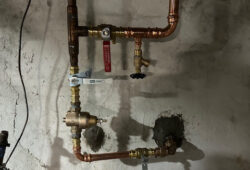
Galvanized Steel Water Lines
If your home was built between World War I and the 1960s, there is a high probability that your walls contain galvanized steel pipes. These are iron pipes dipped in a protective zinc coating.
- The Erosion of Zinc: Over several decades, the mineral-rich water supply running through your system slowly erodes the internal zinc lining.
- Internal Rust and Scaling: Once the zinc layer vanishes, the raw iron is exposed to water and oxygen, leading to severe rusting. This rust creates rough scales inside the pipe, restricting water flow and causing your shower pressure to drop over time.
- Pinhole Leaks: Eventually, the rust eats completely through the metal wall, resulting in slow, hidden leaks that rot floorboards and breed mold behind your plaster walls.
Legacy Polybutylene Piping
During the late 1970s through the 1990s, many suburban developments and row home renovations utilized polybutylene. This flexible plastic pipe was cheap and easy to install, but it possessed a major chemical flaw.
- Chlorine Vulnerability: Municipal water treatment plants use chlorine to keep drinking water safe. Unfortunately, chlorine reacts negatively with polybutylene, causing the plastic to become brittle and develop micro-fractures from the inside out.
- Sudden Blowouts: Unlike galvanized steel, which leaks slowly, polybutylene often fails suddenly and catastrophically, flooding basements and living spaces without any structural warning signs.
Cast Iron Sewer Mains
While water supply lines bring fresh water in under pressure, cast iron was the standard choice for moving wastewater out of Baltimore homes throughout the 19th and 20th centuries.
- Bottom Channel Rot: Wastewater is highly acidic. Over fifty to eighty years, the constant flow of water wears away the bottom track of horizontal cast iron pipes, eventually creating an open trench beneath your basement slab.
- Sewer Gas Intrusion: When the bottom of a cast iron line rots out, sewer gases escape into your living spaces, causing persistent, foul odors that standard drain cleaning cannot eliminate.
Environmental Factors Accelerating Pipe Failure in Maryland
The physical age of the metal is only part of the problem. The localized environment of the Chesapeake region plays a compounding role in how fast plumbing infrastructure degrades.
Hard Water and Mineral Content
The regional water table often carries high concentrations of dissolved minerals like calcium and magnesium. When this water is heated or sits stagnant inside your lines, the minerals precipitate out and bond to the interior metal walls. This mineral scale creates high friction, forcing your system to operate under greater mechanical stress and accelerating the thinning of copper or steel pipe walls.
Soil Acidification and Shifting
Baltimore clay soil is dense and subject to severe shifting during seasonal freeze-and-thaw cycles. This ground movement puts tremendous physical tension on rigid underground pipelines. Furthermore, the high acidity of certain local soils can attack buried copper lines from the outside, causing rapid pitting corrosion that leads to slab leaks underneath your foundation.
Why Spot Repairs are a Temporary Band-Aid
When a pipe springs a leak, the immediate reaction of many homeowners is to cut out the bad section and clamp a new piece of copper or plastic in its place. While this stops the immediate water damage, it does not solve the root problem.
Plumbing lines degrade uniformly. If the galvanized line in your upstairs bathroom has thinned to the point of breaking, the rest of the pipe running down to the basement is likely in an identical condition. Fixing a single leak is simply waiting for the next weak spot to give way under pressure. Furthermore, connecting dissimilar metals like copper to old galvanized steel can cause galvanic corrosion, an electrochemical reaction that actually accelerates the destruction of the joint.
What Actually Fixes It: Modern Professional Solutions
To put an end to the cycle of recurring leaks and water damage, you must look at systemic, long-term solutions. At Brian B. Quick Plumbing, we specialize in two highly effective methods for restoring older homes.
Full-Home Repiping with PEX
The most permanent and comprehensive solution for failing water lines is a complete home repipe using Cross-linked Polyethylene, commonly known as PEX.
- Flexibility and Resilience: PEX is a highly durable plastic that expands and contracts without breaking, making it virtually immune to the freezing winter temperatures that often burst rigid pipes in Baltimore.
- Corrosion Immunity: PEX does not react with chlorine or acidic water, meaning it will never rust, pit, or develop internal scale buildup.
- Minimal Wall Destruction: Because PEX is flexible like a hose, our master plumbers can snake it through your existing walls with minimal disruption to your historic plaster or drywall, saving you thousands in historic home restoration costs.
Trenchless Sewer Repair
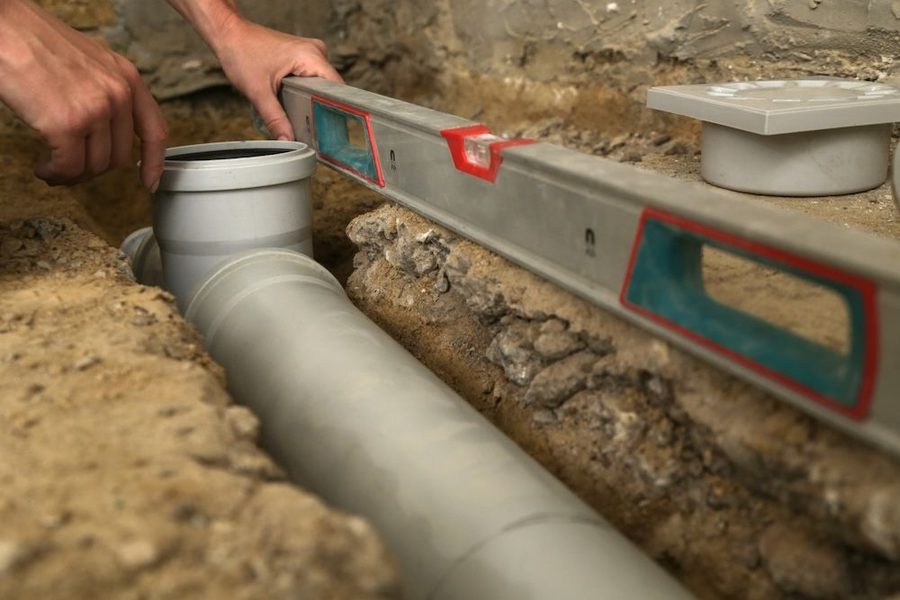
If your main sewer line under the basement or front yard is failing, you no longer have to dig up your entire property to fix it. Modern trenchless technology allows us to restore cast iron lines from the inside.
- Pipe Lining: We insert an epoxy-saturated sleeve into the old cast iron pipe. Once inflated and cured, this sleeve hardens into a seamless, structural pipe within a pipe that carries a lifespan of over fifty years.
- Pipe Bursting: For completely collapsed lines, we can pull a high-density polyethylene pipe directly through the old line, breaking the fragments of the old pipe outward while instantly establishing a brand-new, larger main.
Trust Baltimore Fourth-Generation Plumbing Experts
Managing the plumbing of a historic Baltimore property requires a blend of traditional respect and modern innovation. You need a team that understands how to work around stone foundations, plaster walls, and complex architectural layouts without causing secondary damage.
Brian B. Quick Plumbing is a family-owned and operated company built on integrity and flat-rate transparency. We provide clear, upfront pricing before any work begins, so you know exactly what to expect. Our fourth-generation Master Plumbers bring over a century of collective family expertise to every job, ensuring your historic home is protected by the highest standards of craftsmanship.
Protect Your Historic Investment
Frequent pipe leaks are a clear message from your home that your infrastructure needs an upgrade. Do not wait for a major blowout to ruin your family heirlooms, damage your flooring, or cause toxic mold growth. By moving from temporary spot repairs to a professional repiping or lining solution, you can secure your property for the next generation.
Contact Brian B. Quick Plumbing today to schedule an evaluation of your older home plumbing system. Let our family serve your family, delivering the permanent fixes that give you absolute peace of mind through every season.

Excellent Plumbing Maintenance


Recent Posts
Contact Us
for Your Home Improvement Needs
Contact Us
Why Choose Brian B. Quick?
We Provide Excellent Customer Service and High-Quality Products for Lasting Results
- Family-owned and operated
- 4th Generation Master Plumbers
- Licensed and certified
- Upfront and fair pricing
- Open 24/7
- No travel or overtime fees
- Recognized by BBB, Angi, and PHCC

Serving the Washington Metropolitan Area: Gaithersburg, Germantown, Rockville, Potomac, Beltsville, Silver Spring, Washington DC, Bowie, and more!
Serving the Baltimore Metropolitan Area: Baltimore, Ellicott City, Glen Burnie, Columbia, Towson, Dundalk, Pikesville, Middle River, Odenton, and more!