


Do You Need a Plumbing Permit for Water Heater Replacement or Repiping in Montgomery County?
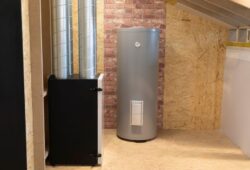
When it comes to upgrading your home’s critical plumbing systems, whether you are replacing an aging water heater or executing a whole-home repiping project, it is easy to focus purely on hardware models, turnaround times, and pricing. However, before a single wrench touches a pipe inside your property, there is a fundamental legal and safety requirement every homeowner must address: securing the proper plumbing permits.
A common misconception among homeowners is that replacing an existing appliance or swapping out old pipes is a simple “maintenance trade” that bypasses local municipal oversight. In reality, water heater installations and pipe replacement projects are strictly regulated across Montgomery County. Brian B. Quick Plumbing has been delivering master-level trade craftsmanship and code-compliant home service solutions for years. This guide breaks down Montgomery County permit requirements for water heaters and repiping, why skipping the permitting process puts your property asset at risk, and how working with a licensed master plumber keeps your home completely protected.
Water Heater Replacement: Permit Rules and Safety Standards
Whether your home relies on a traditional storage tank model or a modern, high-efficiency tankless water heater, replacing the unit legally requires a formal plumbing permit and subsequent municipal inspection.
Water heaters are unique household appliances because they sit at the intersection of several high-risk utility connections: high-pressure water lines, fuel gas lines or high-voltage electric circuits, and combustion ventilation flues. A faulty installation poses far greater risks than a simple water leak; it can trigger structural fires, toxic carbon monoxide leaks, or high-pressure tank ruptures.
Key Permit Verification Checklist for Water Heaters
During a post-installation permit inspection, certified inspectors evaluate critical safety components that protect your household:
Temperature and Pressure (T&P) Relief Valve: Verifying that the emergency safety discharge pipe is properly piped downward using approved heat-rated materials.
Thermal Expansion Tanks: Ensuring an expansion tank is installed to absorb dangerous pressure surges created when water heats inside a closed system.
Fuel Gas Venting & Shut-Offs: Confirming gas water heaters feature rigid, code-compliant draft hoods, sediment traps, and easily accessible gas isolation valves.
Electrical Service Connections: Checking that electric units feature correctly sized wire gauges, dedicated breakers, and proper equipment grounding.
Home Repiping: When Are Permits Mandatory?
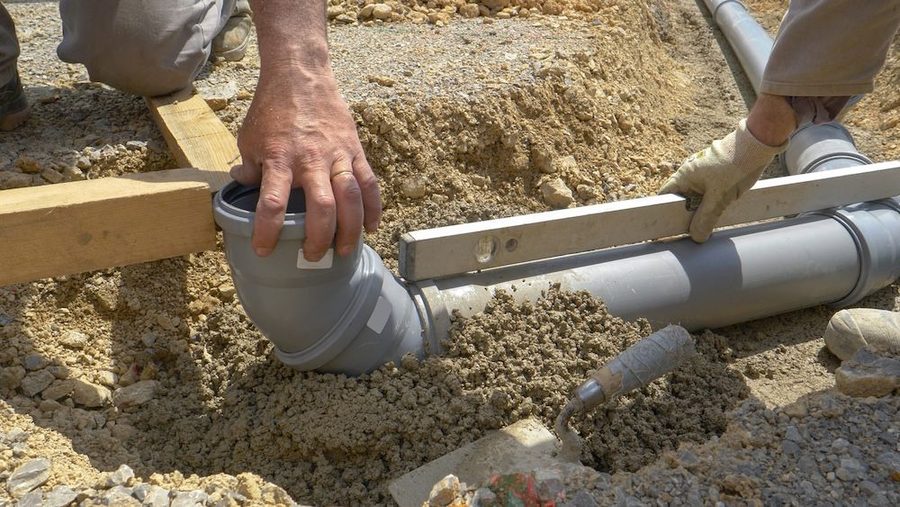
Repiping a home involves replacing legacy, corroded, or failing water supply lines, such as ancient galvanized steel, old polybutylene, or pinhole-riddled copper, with modern, flexible materials like PEX or fresh copper.
Whole-Home vs. Minor Sectional Repairs
Permit requirements for pipe replacement depend directly on the total scope of the project:
Whole-Home Repiping (Permit Required): Replacing the primary water supply lines or main drain/waste/vent stacks throughout your residence legally requires a comprehensive plumbing permit. This ensures the newly installed layout maintains correct pipe sizing, proper drainage slope, and balanced water pressure.
Minor Line Repairs (Exempt): Fixing a localized pinhole leak or replacing a tiny, isolated section of pipe (typically under 10% of the overall system) is generally categorized as routine maintenance and does not require a formal permit.
The Hidden Dangers of Unpermitted Plumbing Work
Skipping the permit process to save a few dollars or rush an installation schedule is a high-stakes gamble that frequently leads to severe legal, financial, and safety liabilities.
Denied Insurance Claims: If an unpermitted water heater fails or a non-inspected pipe joint breaks, causing tens of thousands of dollars in structural water damage, your home insurance provider can legally deny the claim if they discover the work was completed without required permits and inspections.
Real Estate Closing Obstacles: When you choose to sell your home, buyer home inspectors and title companies cross-reference public municipal records. Unpermitted water heater swaps or repiping projects will flag during the disclosure phase, forcing you to pay for retroactive permits, emergency corrections, or price concessions before closing.
Municipal Fines and Red-Tape Delays: Local building departments actively enforce plumbing codes. Performing unpermitted major plumbing work can trigger stop-work orders, double-fee penalty assessments, and forced drywall removals so inspectors can view hidden pipe runs.
How the Permitting Process Works: What Your Plumber Handles
As a homeowner, you do not have to spend hours navigating municipal building portals or decoding complex plumbing code books. When you partner with a fully licensed master plumbing contractor, the professional team handles the entire administrative and technical process on your behalf.
Permit Application: Your plumber files the detailed engineering scope of work, project diagrams, and licensing credentials through the proper regulatory permitting portal before work begins.
Professional Execution: The licensed trade team completes the water heater installation or repiping project strictly adhering to national and local plumbing code standards.
Third-Party Inspection: Once the work is complete, the plumber coordinates with the local municipal code enforcement office to schedule an official on-site inspection. The inspector reviews the installation, verifies safety compliances, and grants official sign-off documentation for your home records.
Protect Your Investment with Code-Compliant Plumbing Solutions
Securing your home’s central plumbing infrastructure is one of the most vital investments you can make as a property owner. While simple tasks like replacing a faucet aerator or cleaning out a sink trap are great DIY habits, replacing water heaters, executing gas-line hookups, and running whole-home supply repipes requires specialized trade certification, commercial tools, and strict permit compliance.
Allowing unvetted or unlicensed handymen to perform major plumbing swaps without permits is a dangerous shortcut that exposes your family to safety risks, compromises your home’s resale value, and voids insurance protection. Making the proactive choice to partner with a licensed master plumber guarantees that every pipe, valve, and connection meets current building codes, protects your property asset, and delivers total peace of mind for years to come.
Trust the Licensed Master Professionals at Brian B. Quick Plumbing
You do not have to navigate complicated plumbing permit guidelines or worry about hidden code violations on your own. The friendly, master-licensed team at Brian B. Quick Plumbing specializes in fully permitted water heater replacements, high-efficiency tankless conversions, and comprehensive whole-home repiping services across Montgomery County.
Let our team restore total safety, reliability, and code-compliant performance to your property today. Give us a call to schedule your plumbing assessment!

Excellent Plumbing Maintenance


Recent Posts
Contact Us
for Your Home Improvement Needs
Contact Us
Why Choose Brian B. Quick?
We Provide Excellent Customer Service and High-Quality Products for Lasting Results
- Family-owned and operated
- 4th Generation Master Plumbers
- Licensed and certified
- Upfront and fair pricing
- Open 24/7
- No travel or overtime fees
- Recognized by BBB, Angi, and PHCC


Serving the Washington Metropolitan Area: Gaithersburg, Germantown, Rockville, Potomac, Beltsville, Silver Spring, Washington DC, Bowie, and more!
Serving the Baltimore Metropolitan Area: Baltimore, Ellicott City, Glen Burnie, Columbia, Towson, Dundalk, Pikesville, Middle River, Odenton, and more!