


Older Pipes and Cold Weather: What Silver Spring Homeowners Should Check This Fall
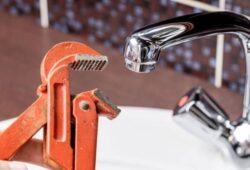
Silver Spring is home to many established neighborhoods with older houses, historic charm, and plumbing systems that have been in place for decades. While aging pipes can continue functioning for years, colder temperatures may expose existing weaknesses that homeowners haven’t noticed.
Corrosion, deteriorating connections, inadequate insulation, and previous plumbing repairs can all contribute to problems when winter arrives. Even a small leak or vulnerable section of piping can become a significant concern during freezing weather.
Preparing your plumbing before temperatures drop can help reduce the risk of frozen pipes, unexpected leaks, and costly water damage.
Here’s what Brian B. Quick Plumbing recommends checking in your Silver Spring home this fall.
Why Should You Inspect Older Plumbing Pipes Before Winter?
Older plumbing pipes should be inspected before winter because corrosion, weakened connections, and exposure to freezing temperatures can increase the risk of leaks and pipe damage.
When water freezes inside a pipe, it expands and can create pressure that damages the plumbing system. Pipes with existing deterioration may be especially vulnerable.
However, freezing isn’t limited to older plumbing. Copper, plastic, and other pipe materials can all experience damage when exposed to sufficiently cold conditions.
A fall plumbing inspection helps identify potential problems before Silver Spring experiences its colder winter weather.
1. Identify the Types of Pipes in Your Home
Understanding your home’s plumbing materials can help you recognize potential maintenance concerns.
Galvanized Steel Pipes
Galvanized steel was commonly installed in older homes. Over time, these pipes can develop internal corrosion and mineral buildup.
Warning signs may include reduced water pressure, rust-colored water, or recurring leaks.
Copper Pipes
Copper is a durable plumbing material found in homes of various ages. However, corrosion, aging connections, and certain water conditions can contribute to pinhole leaks.
Exposed copper pipes can also freeze when temperatures drop.
Plastic and Mixed-Material Plumbing
Some older Silver Spring homes have undergone partial plumbing upgrades, leaving a combination of original and newer piping.
Different materials aren’t automatically a problem, but aging fittings or improperly installed connections may require attention.
If you’re unsure what type of pipes your home has, a professional plumber can help identify them and evaluate their condition.
2. Inspect Pipes in Unheated Areas
Pipes located in colder parts of your home are particularly vulnerable during winter.
Common problem areas include:
Unfinished basements
Crawl spaces
Garages
Attics containing plumbing
Utility rooms
Exterior walls
During your fall inspection, look for exposed pipes, missing insulation, and openings that allow cold outdoor air to enter.
Older homes may have gaps around plumbing penetrations or insufficient insulation in certain areas.
Identifying these vulnerabilities before freezing weather arrives can help you determine where additional protection may be necessary.
3. Look for Corrosion, Leaks, and Water Damage
Aging pipes sometimes develop problems gradually, making early warning signs easy to overlook.
Inspect accessible plumbing for:
Rust or corrosion on metal pipes
Green or blue discoloration around copper connections
Damp areas beneath sinks
Water stains on walls or ceilings
Musty odors near plumbing
Small drips around fittings
Unexplained increases in water bills
Even minor leaks deserve attention.
A pipe that’s already deteriorating may become more susceptible to damage when exposed to freezing temperatures or other changes in operating conditions.
If you notice recurring moisture or visible corrosion, schedule a plumbing inspection before the problem worsens.
4. Pay Attention to Water Pressure and Water Quality
Changes in water pressure or appearance can sometimes indicate problems within older plumbing systems.
For example, galvanized pipes may develop internal corrosion that restricts water flow.
You might notice:
Weak water pressure at multiple fixtures
Inconsistent water flow
Rust-colored or discolored water
Repeated sediment buildup around fixtures
These symptoms don’t always mean your pipes need replacement. Fixture problems, municipal water supply conditions, and other plumbing issues can produce similar results.
However, persistent changes should be evaluated by a professional plumber.
5. Disconnect Garden Hoses and Protect Outdoor Faucets
Outdoor plumbing is often among the first areas affected by freezing temperatures.
When a garden hose remains connected to an exterior faucet, trapped water may prevent proper drainage and increase the risk of freezing.
Before Silver Spring’s first hard freeze:
Disconnect garden hoses.
Drain and store hoses for winter.
Inspect outdoor faucets for leaks.
Shut off and drain exterior water lines if your plumbing system has dedicated shutoff valves.
Consider replacing damaged or aging hose bibbs.
Even frost-free faucets can experience freezing problems if hoses remain connected or the fixtures aren’t installed and drained properly.
Taking care of outdoor plumbing during fall can help prevent unexpected winter repairs.
6. Check Pipe Insulation and Cold-Air Drafts
Insulating exposed plumbing can help slow heat loss and reduce freezing risks.
Pay particular attention to pipes near exterior walls, crawl spaces, garages, and other unheated locations.
Foam pipe insulation may provide additional protection in appropriate areas.
However, pipe insulation doesn’t guarantee that plumbing will remain unfrozen during prolonged exposure to extremely cold temperatures.
Sealing drafts around plumbing penetrations can also help reduce exposure to cold outdoor air.
If you’re considering heat cable or other freeze-protection equipment, consult a professional and follow the manufacturer’s installation and safety requirements.
7. Locate Your Main Water Shutoff Valve
Knowing how to shut off your home’s water supply is essential during a plumbing emergency.
If an older pipe bursts, quickly stopping the water flow may help limit damage.
Before winter:
Locate your main water shutoff valve.
Make sure the area around it is accessible.
Learn how the valve operates.
Look for visible corrosion or leaks.
Older shutoff valves can become difficult to operate over time.
If yours appears damaged, stuck, or unreliable, have a plumber inspect it. Avoid forcing a corroded valve, which could cause additional damage.
8. Review Previous Plumbing Repairs
Older homes often have plumbing systems that have been repaired or modified over several decades.
A previous repair doesn’t necessarily indicate a problem, but repeated leaks in the same area may suggest broader deterioration.
Consider whether your home has experienced:
Multiple pipe leaks
Recurring corrosion
Frequent water pressure problems
Repeated repairs to aging fittings
Previous frozen or burst pipes
A professional inspection can help determine whether another localized repair is appropriate or whether replacing a deteriorated section of plumbing would provide a better long-term solution.
Not every older home needs complete repiping.
9. Know What to Do if a Pipe Freezes
Even with preparation, pipes can freeze during severe winter weather.
Possible warning signs include little or no water coming from a faucet, visible frost on exposed piping, or unusual changes in water flow.
If you suspect a frozen pipe:
Avoid using open flames, torches, or high-heat devices to thaw it.
Don’t force frozen valves or fittings.
Check for visible leaks or pipe damage.
Contact a plumber if the pipe is inaccessible, damaged, or you’re unsure how to proceed.
If a pipe bursts, shut off the main water supply when it’s safe to do so and contact an emergency plumber.
Remember that some frozen pipes don’t begin leaking until the ice thaws.
10. Schedule a Fall Plumbing Inspection
A professional plumbing inspection can be especially valuable for homeowners with aging or unfamiliar plumbing systems.
Consider scheduling service if your home has:
Older galvanized or visibly corroded pipes
Recurring leaks or water pressure problems
Exposed plumbing in unheated areas
A history of frozen pipes
An unreliable main shutoff valve
Multiple previous plumbing repairs
A plumber can assess accessible piping, identify potential vulnerabilities, and recommend appropriate repairs or improvements before winter.
Fall Plumbing Checklist for Older Silver Spring Homes
Use this quick checklist to prepare your plumbing for colder weather:
Identify visible pipe materials.
Inspect exposed pipes in unheated spaces.
Look for corrosion, moisture, and leaks.
Pay attention to water pressure changes.
Disconnect and store garden hoses.
Protect outdoor faucets.
Check insulation and cold-air drafts.
Locate your main water shutoff valve.
Review recurring plumbing problems.
Schedule professional service for concerning issues.
Completing these steps during fall can help you identify plumbing concerns before freezing temperatures arrive.
Prepare Your Silver Spring Plumbing for Winter With Brian B. Quick Plumbing
Older pipes aren’t automatically unsafe, but years of wear combined with freezing temperatures can increase the risk of plumbing problems.
Checking exposed pipes, addressing small leaks, protecting outdoor faucets, and evaluating aging plumbing can help reduce the likelihood of winter emergencies.
Brian B. Quick Plumbing provides professional plumbing services for homeowners throughout Silver Spring, Montgomery County, and surrounding Maryland communities.
Whether you’re concerned about aging pipes, recurring leaks, or winter plumbing preparation, professional guidance can help you determine the next steps.
Contact Brian B. Quick Plumbing today to schedule plumbing service and get your Silver Spring home’s pipes ready for colder weather.


Excellent Plumbing Maintenance


Recent Posts

Contact Us
for Your Home Improvement Needs
Contact Us
Why Choose Brian B. Quick?
We Provide Excellent Customer Service and High-Quality Products for Lasting Results
- Family-owned and operated
- 4th Generation Master Plumbers
- Licensed and certified
- Upfront and fair pricing
- Open 24/7
- No travel or overtime fees
- Recognized by BBB, Angi, and PHCC

Serving the Washington Metropolitan Area: Gaithersburg, Germantown, Rockville, Potomac, Beltsville, Silver Spring, Washington DC, Bowie, and more!
Serving the Baltimore Metropolitan Area: Baltimore, Ellicott City, Glen Burnie, Columbia, Towson, Dundalk, Pikesville, Middle River, Odenton, and more!