


Is Your Plumbing Ready for a Maryland or DC Winter? 7 Things to Check
Winter temperatures in Maryland and Washington, DC, can put additional stress on your home’s plumbing system. When temperatures drop below freezing, exposed pipes, outdoor faucets, and poorly insulated plumbing become vulnerable to damage.
For homeowners throughout Montgomery County, Prince George’s County, and the Washington, DC, area, preparing plumbing systems before winter can help prevent frozen pipes, water leaks, and unexpected repairs.
Fortunately, a few preventive maintenance tasks can make a difference. Here are seven important things to check before colder weather arrives.
Why Is Winter Plumbing Maintenance Important in Maryland and DC?
Winter plumbing maintenance helps homeowners reduce the risk of frozen pipes, water leaks, water heater problems, and unexpected plumbing emergencies. Inspecting vulnerable pipes, outdoor faucets, water heaters, and drainage systems before freezing weather arrives can help identify problems early.
What Happens to Plumbing Pipes During Freezing Weather?
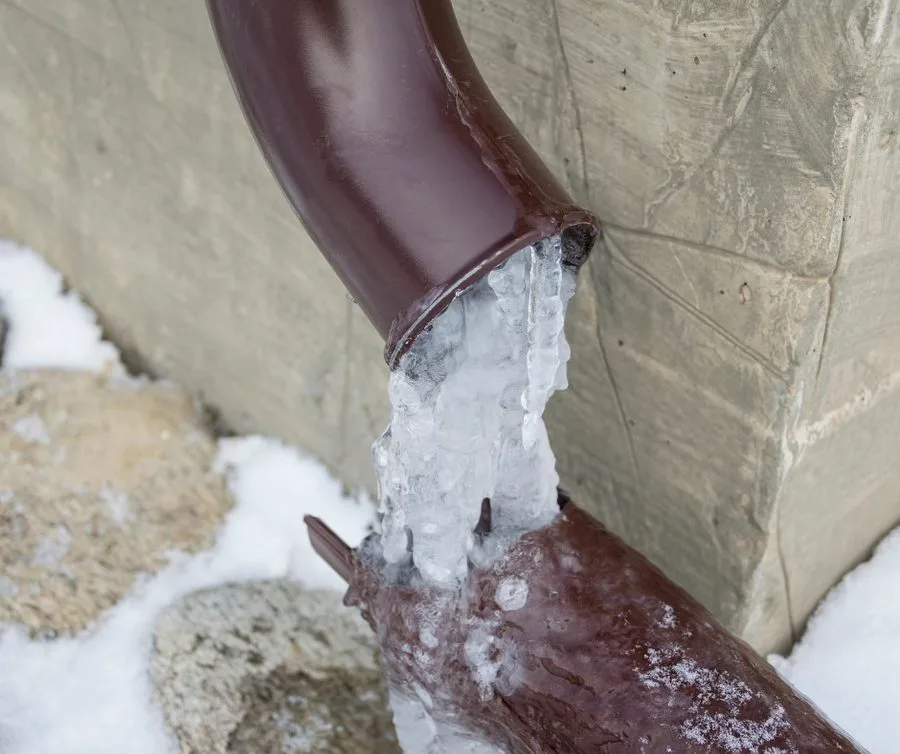
When water freezes inside a pipe, expanding ice can create pressure that causes the pipe to crack or burst.
Pipes located in unheated or poorly insulated spaces are especially vulnerable.
Sometimes, homeowners don’t discover the damage until temperatures rise and the frozen water begins thawing.
Taking preventive measures before winter can help reduce these risks.
1. Insulate Exposed Pipes in Cold Areas
One of the most important winter plumbing maintenance tasks is protecting pipes exposed to cold temperatures.
Which Plumbing Pipes Are Most Likely to Freeze?
Vulnerable plumbing locations include:
Unheated basements
Crawl spaces
Garages
Attics
Exterior walls
Poorly insulated utility rooms
Pipes in these areas may experience significantly colder temperatures than plumbing inside heated living spaces.
How Can You Protect Exposed Pipes From Freezing?
Install appropriate pipe insulation around accessible plumbing and seal gaps that allow cold air to enter.
Keep garage doors closed when water lines run through nearby walls.
During freezing weather, maintain adequate indoor temperatures, even when you’re away.
For particularly vulnerable plumbing, a licensed plumber can recommend additional protection.
2. Disconnect Garden Hoses and Winterize Outdoor Faucets
Outdoor faucets are particularly vulnerable because they’re directly exposed to winter temperatures.
Can Leaving a Garden Hose Connected Cause Pipes to Freeze?
Yes. Water trapped inside a connected garden hose or faucet assembly can freeze and expand.
Leaving hoses attached may also prevent frost-free outdoor faucets from draining properly.
Before winter:
Disconnect garden hoses.
Drain and store hoses.
Shut off exterior water supply valves when applicable.
Drain outdoor faucet lines according to their design.
Inspect faucets for leaks or visible damage.
These simple steps can help prevent damaged outdoor plumbing and unexpected leaks when temperatures rise.
3. Check Your Water Heater Before Temperatures Drop
Reliable hot water becomes especially important during colder months.
However, existing water heater problems may become more noticeable as household demand increases.
What Water Heater Problems Are Common in Winter?
Watch for:
Insufficient hot water
Fluctuating water temperatures
Unusual popping or rumbling noises
Water leaking around the tank
Rust or corrosion
Longer heating recovery times
Colder incoming water temperatures can also affect how quickly some water heaters replenish hot water.
Should You Flush Your Water Heater Before Winter?
Flushing may help remove sediment that accumulates inside certain water heaters.
However, maintenance requirements vary by equipment type and manufacturer.
If your water heater is older, leaking, or hasn’t received regular maintenance, schedule a professional evaluation before attempting to flush it.
4. Inspect Your Plumbing for Hidden Leaks
Small plumbing leaks can waste water and damage surrounding materials long before they become obvious.
Checking for leaks before winter helps homeowners address existing problems before freezing temperatures create additional complications.
What Are the Signs of a Hidden Plumbing Leak?
Common warning signs include:
Unexpected increases in water bills
Damp areas beneath sinks
Water stains on ceilings or walls
Musty odors
Unexplained moisture near plumbing fixtures
Water meter activity when all fixtures are turned off
Inspect accessible pipes, connections, and fixtures for visible moisture.
If you suspect a hidden leak, professional leak detection can help identify the source before more extensive damage occurs.
5. Make Sure Your Drains and Sewer Lines Are Flowing Properly
Drainage problems can occur throughout the year, but winter is an inconvenient time to deal with plumbing backups.
Existing clogs should be addressed before they develop into more serious problems.
What Are the Warning Signs of a Clogged Drain or Sewer Line?
Look for:
Slow-draining sinks or bathtubs
Frequent drain clogs
Gurgling plumbing fixtures
Unpleasant drain odors
Water backing up into other fixtures
Recurring toilet drainage problems
Grease, soap residue, hair, and other debris can gradually accumulate inside drain lines.
If multiple fixtures experience drainage problems, a larger sewer line blockage may be involved.
Professional drain cleaning or a sewer camera inspection can help determine the cause.
6. Locate and Test Your Main Water Shutoff Valve
Knowing how to shut off your home’s water supply is essential during a plumbing emergency.
If a pipe bursts, quickly stopping the water flow can help limit property damage.
Where Is the Main Water Shutoff Valve Located?
Depending on your home’s plumbing layout, the main shutoff valve may be located:
In the basement
Inside a utility room
Near the water meter
In a crawl space
Where the main water line enters the home
Make sure the valve is accessible and that household members know its location.
Why Is the Main Shutoff Valve Important During Winter?
A frozen pipe may crack and begin leaking as it thaws.
Being able to shut off the water quickly can reduce the amount of water entering your home.
If the valve appears corroded, leaks, or won’t operate normally, contact a plumber rather than forcing it.
7. Schedule a Professional Winter Plumbing Inspection
Some plumbing vulnerabilities are difficult to identify without professional experience.
A winter plumbing inspection can help uncover concerns before they become emergencies.
What Does a Winter Plumbing Inspection Include?
Depending on the home’s plumbing system, a professional may evaluate:
Exposed pipe insulation
Visible leaks and damaged connections
Water pressure concerns
Water heater condition
Outdoor plumbing
Shutoff valve operation
Drainage performance
Aging or vulnerable piping
Professional inspections can be particularly valuable in older Maryland and DC homes where plumbing materials and layouts may have changed over time.
What Should You Do If Your Pipes Freeze This Winter?
Even with preventive maintenance, pipes can freeze during prolonged cold weather.
How Do You Know If a Pipe Is Frozen?
Potential warning signs include little or no water from a faucet, visible frost on accessible piping, or unusual changes in water flow.
If you suspect a frozen pipe, avoid using open flames, torches, or unsafe heating equipment.
If the pipe is cracked, leaking, or appears to have burst, shut off the main water supply and contact a plumber.
Frozen pipes can begin leaking as they thaw, so prompt attention is important.
Winter Plumbing Maintenance Checklist for Maryland and DC Homeowners
Before freezing temperatures arrive:
Insulate exposed pipes.
Disconnect and drain garden hoses.
Winterize outdoor faucets.
Inspect the water heater.
Check visible plumbing for leaks.
Address slow drains and recurring clogs.
Locate the main water shutoff valve.
Seal gaps allowing cold air around plumbing.
Schedule professional plumbing maintenance when necessary.
Prepare Your Plumbing for Winter With Brian B. Quick Plumbing
Winter plumbing preparation can help protect your home against frozen pipes, water damage, and unexpected repairs.
From insulating vulnerable plumbing to checking water heaters and addressing drainage problems, preventive maintenance is an important part of keeping your home ready for colder weather.
Whether you’ve noticed a potential problem or want to prepare your plumbing before freezing temperatures arrive, professional guidance can help you take the right steps.
Contact Brian B. Quick Plumbing today to schedule plumbing maintenance or repairs and help keep your Maryland or DC home protected throughout winter.


Excellent Plumbing Maintenance


Recent Posts
Contact Us
for Your Home Improvement Needs
Contact Us
Why Choose Brian B. Quick?
We Provide Excellent Customer Service and High-Quality Products for Lasting Results
- Family-owned and operated
- 4th Generation Master Plumbers
- Licensed and certified
- Upfront and fair pricing
- Open 24/7
- No travel or overtime fees
- Recognized by BBB, Angi, and PHCC
Serving the Washington Metropolitan Area: Gaithersburg, Germantown, Rockville, Potomac, Beltsville, Silver Spring, Washington DC, Bowie, and more!
Serving the Baltimore Metropolitan Area: Baltimore, Ellicott City, Glen Burnie, Columbia, Towson, Dundalk, Pikesville, Middle River, Odenton, and more!