


Who Is Responsible for a Broken Water or Sewer Line in Montgomery and Prince George’s Counties?
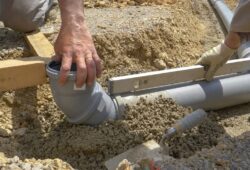
A leaking underground water line or backed-up sewer can quickly become a stressful problem. Along with figuring out what broke, homeowners in Montgomery County and Prince George’s County often have another important question: Who is responsible for fixing it?
For properties served by WSSC Water, responsibility generally depends on which portion of the water or sewer service is damaged. WSSC Water typically maintains its portion from the public main to the property line, while homeowners are generally responsible for the portion running from the property line to the house. There are exceptions depending on how a service connection was constructed, so confirming responsibility before beginning repairs is important.
Who Is Responsible for Water and Sewer Lines in Montgomery and Prince George’s Counties?
For a typical WSSC Water service connection, the easiest way to understand responsibility is to think of the property line as the general dividing point.
WSSC Water states that it typically maintains the water service line from the water main to the property line. The customer-owned portion extends from the property line into the home. A similar general division applies to sewer service, with the homeowner responsible for the private sewer service from the property line to the building.
However, WSSC Water also notes exceptions for certain service connections, particularly connections constructed from existing mains in WSSC rights-of-way. That is why the location and ownership of the specific damaged pipe should be confirmed rather than assumed.
What Is the Difference Between a Water Main and a Water Service Line?
A water main is the larger public pipe that distributes water through a neighborhood. Individual properties receive water through smaller water service lines connected to that main.
For a standard connection, the service line has two portions:
Utility-Owned Water Service Line
WSSC Water generally maintains the portion running from its water main to the property line.
Customer-Owned Water Service Line
The homeowner is generally responsible for the portion running from the property line to the house, along with the water piping within the building.
This distinction becomes especially important when an underground leak develops. A leak beneath your front yard may be your responsibility if it is located on the customer-owned portion of the service line.
Who Is Responsible for a Broken Sewer Line?
The same general concept applies to sewer systems.
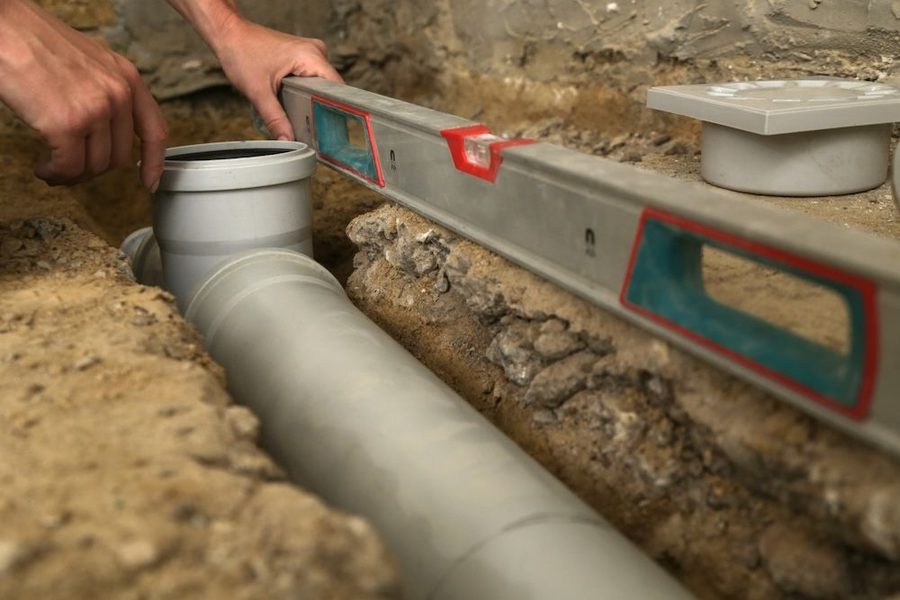
A public sewer main collects wastewater from multiple properties. Your home’s private sewer service, often called a sewer lateral, carries wastewater from the house toward that public main.
WSSC Water states that the property owner is responsible for maintaining the sewer service from the building to the property line. For a typical service, WSSC Water maintains the portion from the main to the property line.
There can again be exceptions. If a private service connects to a WSSC Water sewer main located in a right-of-way on the property, WSSC Water says it may maintain only the actual connection to its main rather than the entire service pipe.
How Do You Know Which Side of the Line Is Broken?
Finding water or sewage does not necessarily reveal who is responsible. The source and exact location of the problem need to be identified.
Signs of a Possible Private Water Service Line Problem
Potential warning signs include:
Unexplained increases in water usage
Water surfacing in the yard
Persistently wet or soft ground
Reduced water pressure
Sounds of running water when fixtures are off
These symptoms can have other causes, so diagnosis is important.
If you suspect an underground water service leak, WSSC Water recommends contacting its Emergency Services Center. WSSC can investigate whether the leak is on or off the property.
What Should You Do If Your Sewer Backs Up?
A sewage backup can originate in your home’s plumbing, private sewer lateral, or the public sewer system.
Potential causes include:
Severe drain blockages
Tree root intrusion
Broken sewer pipe
Offset or separated joints
Collapsed pipe
Problems within the public sewer system
WSSC Water recommends contacting its Emergency Services Center when a basement sewage backup occurs so the property history and situation can be reviewed.
If the problem is within the private sewer service, a professional plumber or sewer drain cleaner can diagnose the blockage or structural problem and determine the appropriate repair.
What If the Broken Pipe Is Under a Sidewalk or Street?
Do not assume a pipe belongs to WSSC Water simply because it passes beneath pavement or a public-looking area.
Ownership and maintenance responsibility depend on the particular service connection, not just what is above the pipe. Some private service connections can extend into rights-of-way, and WSSC’s responsibility can vary depending on how that connection was originally constructed.
Work involving public property, utility connections, or deeper underground service lines can also involve permits, inspections, and specific licensing requirements.
WSSC Water states that water and sewer service line repairs and replacements in Montgomery and Prince George’s counties are among the plumbing projects that generally must be completed by a WSSC Water-licensed plumber.
Who Pays for a Broken Water or Sewer Line?
Once responsibility for the damaged section has been established, responsibility for the repair cost generally follows ownership and maintenance responsibility.
If WSSC Water Is Responsible
When the failure involves infrastructure WSSC Water owns and maintains, the utility handles its portion of the repair according to its policies.
If the Homeowner Is Responsible
If the break is on the customer-owned portion of the water service or sewer lateral, the property owner is generally responsible for arranging and paying for the repair.
Repair costs can vary considerably depending on:
Location of the damaged pipe
Depth
Pipe material
Extent of damage
Accessibility
Excavation requirements
Restoration requirements
Repair method
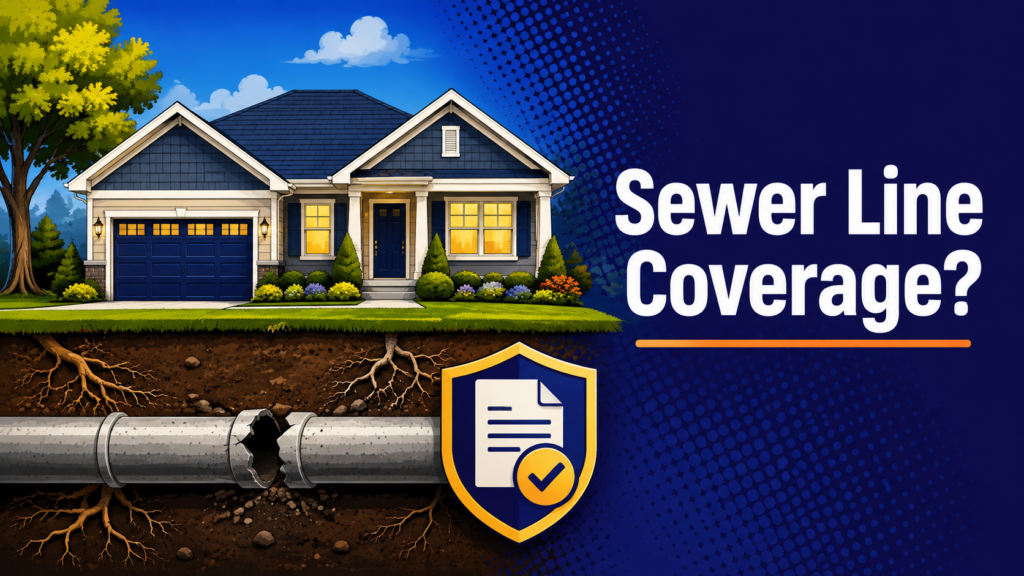
Homeowners should also check their insurance coverage. Standard policies and optional service-line endorsements vary, so underground water or sewer repairs should not be assumed to be covered.
What Causes Underground Water Service Lines to Break?
A water service line can develop problems for several reasons, including:
Aging pipe materials
Corrosion
Ground movement
Freezing conditions
Installation problems
Nearby excavation
Physical damage
Determining the cause can help a plumber decide whether a localized repair is appropriate or whether a larger portion of aging pipe should be addressed.
What Causes Residential Sewer Laterals to Fail?
Private sewer laterals face a different set of problems.
Common issues include:
Tree roots entering existing openings
Cracked or broken pipe
Separated joints
Offset sections
Deteriorating older pipe materials
Ground movement
Severe buildup or blockages
Partial or complete collapse
Recurring drain cleaning may temporarily restore flow when roots or debris are present, but cleaning cannot repair a structurally damaged sewer pipe.
How Are Broken Water and Sewer Lines Diagnosed?
The correct repair starts with identifying where the problem is located.
Water Line Diagnosis
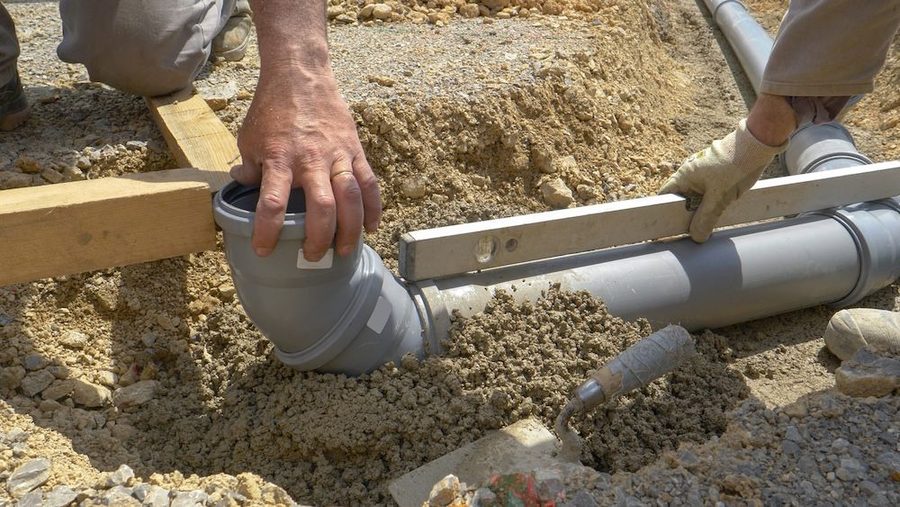
Depending on the situation, plumbers may use leak detection equipment, pressure testing, inspection of accessible plumbing, and line-locating methods to narrow down the source of an underground leak.
Sewer Line Diagnosis
A sewer camera inspection allows a plumber to visually examine accessible portions of the sewer lateral. It can reveal problems such as roots, cracks, offsets, standing water, blockages, or visible pipe deterioration.
A camera inspection also helps avoid assuming that every recurring sewer backup requires complete sewer line replacement.
Can a Broken Line Be Repaired Without Digging Up the Entire Yard?
Sometimes.
Depending on the location and condition of the pipe, homeowners may have options ranging from targeted excavation to certain trenchless sewer repair or replacement methods.
Trenchless solutions are not appropriate for every damaged line. Pipe material, alignment, structural condition, access, and the extent of the failure all influence which repair methods are possible.
A proper inspection should come before choosing the repair method.
What Should You Do When You Suspect a Broken Line?
If you discover signs of an underground water or sewer problem:
Avoid areas contaminated by sewage or affected by other immediate hazards.
Reduce unnecessary water use if wastewater is backing up.
Contact WSSC Water when you suspect a utility-side problem or are unsure where responsibility begins.
Contact a qualified plumber when the problem appears to involve your private service.
Have the location and cause diagnosed before approving major repairs.
Review any applicable homeowners insurance or service-line coverage.
The most important step is determining where the failure is located before assuming who needs to repair it.
Get Water and Sewer Line Help From Brian B. Quick Plumbing
For homeowners in Montgomery and Prince George’s counties, a broken underground pipe does not automatically mean the utility will repair it. In a typical WSSC Water configuration, homeowners are responsible for water and sewer service lines between the property line and the house, while WSSC Water maintains its designated portion toward the public main. Specific connections can differ, so responsibility should always be confirmed.
Brian B. Quick Plumbing can help diagnose private water and sewer line problems, locate leaks, inspect sewer lines, and determine appropriate repair options. If you suspect a broken water service line or sewer lateral, contact Brian B. Quick Plumbing today to schedule service and get to the source of the problem.

Excellent Plumbing Maintenance


Recent Posts
Contact Us
for Your Home Improvement Needs
Contact Us
Why Choose Brian B. Quick?
We Provide Excellent Customer Service and High-Quality Products for Lasting Results
- Family-owned and operated
- 4th Generation Master Plumbers
- Licensed and certified
- Upfront and fair pricing
- Open 24/7
- No travel or overtime fees
- Recognized by BBB, Angi, and PHCC
Serving the Washington Metropolitan Area: Gaithersburg, Germantown, Rockville, Potomac, Beltsville, Silver Spring, Washington DC, Bowie, and more!
Serving the Baltimore Metropolitan Area: Baltimore, Ellicott City, Glen Burnie, Columbia, Towson, Dundalk, Pikesville, Middle River, Odenton, and more!