


Does Homeowners Insurance Cover Sewer Line Replacement?
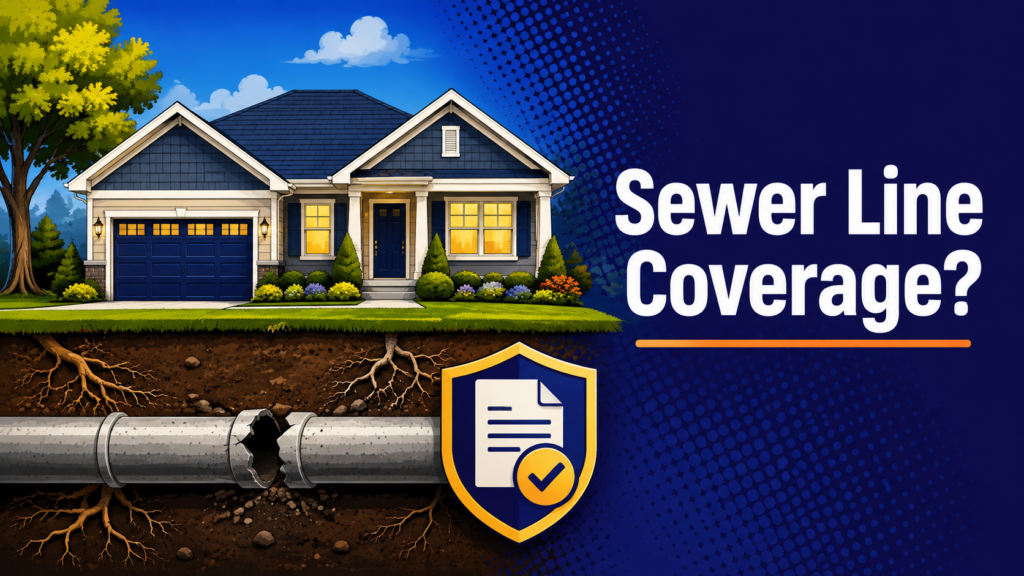
A damaged sewer line can leave you with an urgent and expensive repair. Before work begins, you may want to know whether your homeowners insurance will pick up any of the cost.
In most cases, a standard policy will not pay to replace a line that failed because of age, corrosion, tree roots, poor maintenance, or ordinary wear. Coverage is more likely when a sudden event listed in the policy damages the line. Homeowners who purchased service line coverage may have added protection for buried piping on their property.
The policy language and facts of the loss control the outcome. Your insurance company or agent can confirm what applies to your claim. The sections below explain the terms worth checking and the records you may need.
When Might Homeowners Insurance Cover a Sewer Line?
A standard homeowners policy generally covers sudden and accidental damage caused by listed perils, or by causes the policy does not exclude. Depending on the wording, sewer line damage might qualify after an event such as:
- Fire, lightning, or an explosion
- A vehicle striking and damaging the covered property
- Vandalism or another covered accidental event
- Certain types of falling-object or storm damage, if included by the policy
Even when the cause is covered, the policy may distinguish between the damaged pipe, the cost of accessing it, and damage to other parts of the property. Deductibles, limits, exclusions, and the location of the line can all affect payment.
Why Many Sewer Line Replacements Are Not Covered
Most sewer line failures develop gradually rather than from one sudden incident. Homeowners insurance is generally designed for unexpected losses, not routine maintenance or components that have reached the end of their useful life.
Common causes that are often excluded from a standard policy include:
- Aging or deteriorated pipe materials
- Corrosion, rust, or repeated leakage
- Tree-root intrusion that develops over time
- Settling, shifting soil, or gradual ground movement
- Clogs, grease buildup, or other maintenance-related blockages
- Faulty installation, construction defects, or pre-existing damage
- Flooding or earth movement unless separate coverage applies
For example, if an older sewer lateral collapses after decades of deterioration, a standard homeowners policy is unlikely to pay for the replacement simply because the failure was discovered suddenly.
Check for Service Line Coverage
Service-line coverage is an optional endorsement that may cover buried utility lines running between your home and the public connection. Depending on the policy, this can include sewer, water, electrical, gas, or communications lines located on your property.
The Maryland Insurance Administration notes that buried utility-line coverage may pay for a covered leak, break, rupture, tear, or collapse. It may also help with excavation, line repair or replacement, and restoration of damaged outdoor property. However, limits, deductibles, age restrictions, and exclusions vary. A blockage without physical damage may not qualify.
If you are unsure whether you have this protection, look for terms such as “service line,” “buried utility line,” or “underground service line” in your declarations and endorsements. Ask your agent to explain the covered causes of loss, dollar limit, deductible, and any restrictions based on pipe age.
Sewer-Backup Coverage Is Not the Same Thing
Sewer-backup or water-backup coverage usually addresses damage caused when sewage or water backs up through a drain, sewer, or sump system and enters the home. It is typically an optional endorsement rather than part of a standard policy.
Backup coverage may pay to clean and repair damaged floors, walls, furniture, or other insured property while excluding the pipe that caused the backup. Maryland’s insurance regulator advises that most water backup endorsements cover the resulting damage, but not repair or replacement of the failed pipe.
In Washington, DC, regulators similarly identify sewer backup, water backup, and service-line coverage as separate protections homeowners may add. Review each endorsement rather than assuming one covers every sewer-related loss.
Who Is Responsible for the Sewer Line?
Homeowners are commonly responsible for the sewer lateral connecting the house to the municipal sewer main, including some portions that may extend beyond the property line. Exact responsibility varies by local utility and jurisdiction.
Before authorizing major work, contact your local water or sewer authority to confirm where your responsibility ends. If the damaged section belongs to the utility, the repair process may be different. If it belongs to you, your insurance policy, a service-line endorsement, or a separate service contract may be relevant.
What To Do If You Discover Sewer Line Damage
- Stop using water if fixtures are backing up. Continued flushing, bathing, or appliance use can send more wastewater into the affected area.
- Protect people and pets. Avoid contact with sewage, and arrange professional cleanup when contamination has entered the home.
- Document the damage. Take photographs and video of visible damage, affected rooms, landscaping, and any personal property before cleanup when it is safe to do so.
- Contact your insurer promptly. Ask whether you have service-line and sewer-backup endorsements and whether emergency mitigation can begin before an adjuster visits.
- Schedule a professional sewer camera inspection. The footage can reveal cracks, collapse, corrosion, root intrusion, or separation and show whether the line needs cleaning, repair, lining, or replacement.
- Keep every record. Save inspection footage, written findings, estimates, invoices, cleanup receipts, and communications with the insurer and utility.
Do not delay reasonable steps needed to prevent further damage. At the same time, ask the insurer what documentation or approval it requires before permanent repairs begin, unless immediate work is necessary for safety.
Signs You May Need Sewer Line Repair or Replacement
Call a plumber if you notice more than one of these warning signs:
- Several fixtures draining slowly at the same time
- Recurring toilet or drain clogs
- Gurgling sounds from toilets, tubs, or sinks
- Sewage odors inside the home or around the yard
- Unexplained soggy spots or unusually green patches of grass
- Wastewater backing up through drains
A camera inspection shows the inside of the line, making it easier to tell a removable clog from structural damage. The footage and written findings may also support an insurance claim.
Repair, Trenchless Repair, or Full Replacement?
Some sewer problems can be fixed without excavating and replacing the entire line. The right approach depends on the pipe material, location, remaining structural integrity, and type of damage.
- Drain cleaning or hydro jetting may resolve buildup and qualifying obstructions when the pipe remains structurally sound.
- Targeted repair may address a localized crack, joint failure, or damaged section.
- Trenchless sewer repair or lining may rehabilitate certain pipes while reducing disruption to lawns, landscaping, and hardscaping.
- Full sewer line replacement may be necessary when a pipe has collapsed, deteriorated extensively, or cannot support a lasting repair.
A professional diagnosis matters both for your home and for an insurance claim. Insurers typically want evidence of what failed, why it failed, and which work is necessary rather than merely preferable.
Frequently Asked Questions
Does homeowners insurance cover tree roots in a sewer line?
Usually not under a standard policy when roots entered gradually through an aging crack or joint. Coverage may differ if you purchased a service-line endorsement that includes root intrusion or resulting physical damage. Review the endorsement’s exclusions and limits.
Will insurance cover damage inside my home from a sewer backup?
It may if your policy includes sewer- or water-backup coverage. This endorsement often covers qualifying resulting damage and cleanup, but it may not pay to repair the pipe that caused the backup.
Does homeowners insurance cover trenchless sewer replacement?
The repair method alone does not determine coverage. The insurer first evaluates the cause of loss and the applicable policy terms. If the failure is covered, the insurer may consider a reasonable repair method, subject to limits and approval.
Should I get a sewer camera inspection before filing a claim?
A camera inspection can identify the location and apparent cause of damage and provide footage or still images for the insurer. Contact the carrier promptly as well, since it may have requirements for inspection, mitigation, or estimates.
Is the sewer line under my yard my responsibility?
Often, yes. The homeowner is commonly responsible for the private lateral connecting the home to the public main. Boundaries vary, so confirm responsibility with the local utility before proceeding.
Schedule Sewer Line Service With Brian B. Quick Plumbing
A clear diagnosis gives you something concrete to discuss with your insurer. Brian B. Quick Plumbing performs sewer camera inspections, drain and sewer cleaning, traditional sewer line replacement, and trenchless repairs across Maryland and Washington, DC.
Our licensed plumbers can assess the line, explain the available solutions, and provide documentation of the findings. Call or schedule service online to get started.
Insurance disclaimer: This article is for general informational purposes and is not insurance or legal advice. Coverage depends on the specific policy, endorsements, exclusions, cause of loss, and claim facts. Contact your insurer, licensed agent, or qualified adviser for guidance about your coverage.


Excellent Plumbing Maintenance


Recent Posts
Contact Us
for Your Home Improvement Needs
Contact Us
Why Choose Brian B. Quick?
We Provide Excellent Customer Service and High-Quality Products for Lasting Results
- Family-owned and operated
- 4th Generation Master Plumbers
- Licensed and certified
- Upfront and fair pricing
- Open 24/7
- No travel or overtime fees
- Recognized by BBB, Angi, and PHCC

Serving the Washington Metropolitan Area: Gaithersburg, Germantown, Rockville, Potomac, Beltsville, Silver Spring, Washington DC, Bowie, and more!
Serving the Baltimore Metropolitan Area: Baltimore, Ellicott City, Glen Burnie, Columbia, Towson, Dundalk, Pikesville, Middle River, Odenton, and more!