


Buying an Older Home in Silver Spring? Plumbing Problems to Check Before Closing
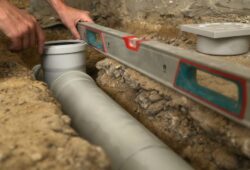
Silver Spring, Maryland is home to incredible neighborhood charm, from classic mid-century ramblers in Wheaton Hills to historic Tudor colonials and Cape Cods near Woodside and downtown Silver Spring. However, purchasing a home built prior to the 1980s means inheriting a plumbing infrastructure designed under outdated building codes and long-expired material standards. During a standard real estate transaction, a general home inspector checks basic home functions, turning on faucets and flushing toilets. Unfortunately, standard home inspections rarely evaluate the interior walls, underground sewer laterals, or main water service connections.
Discovering a collapsed sewer line or corroded galvanized plumbing weeks after closing can result in tens of thousands of dollars in unexpected repairs. Brian B. Quick Plumbing provides specialized residential plumbing diagnostics, video sewer scoping, and pipe evaluations across Silver Spring and Montgomery County. This guide breaks down the top plumbing liabilities to check before signing your final home closing documents.
The Hidden Risks of Older Housing Stock
Silver Spring features established neighborhood canopies with beautiful mature oaks and maples. While these trees add immense curb appeal, their subterranean root systems naturally seek out moisture, targeting original terra-cotta clay or cast-iron sewer pipes underground. Combined with original plumbing materials reaching the end of their operational lifespans, pre-closing plumbing due diligence is essential.
5 Critical Plumbing Elements to Inspect Before Closing
1. Legacy Piping Materials (Galvanized Steel and Polybutylene)
The physical material used for your prospective home’s supply and drain lines determines how soon you will face a major repiping project.
Galvanized Steel Pipes (Common in pre-1960s homes): Galvanized iron pipes corrode from the inside out. As mineral scale and rust accumulate inside the pipe walls, interior diameters narrow drastically. This restricts water volume, leading to weak shower pressure and rusty, discolored tap water.
Polybutylene Piping (Common in late 1970s to mid-1990s homes): Known as “poly pipe,” this dull gray plastic piping reacts negatively to water treatment chemicals. Polybutylene degrades over time, micro-fracturing and bursting without warning. Many insurance carriers in Maryland require total polybutylene replacement before issuing a homeowner policy.
Lead Solder and Lead Service Lines: Older properties may still contain lead service lines running from the municipal main to the water meter, or lead solder connections on legacy copper joints.
2. Underground Sewer Lateral Condition (Video Camera Scoping)
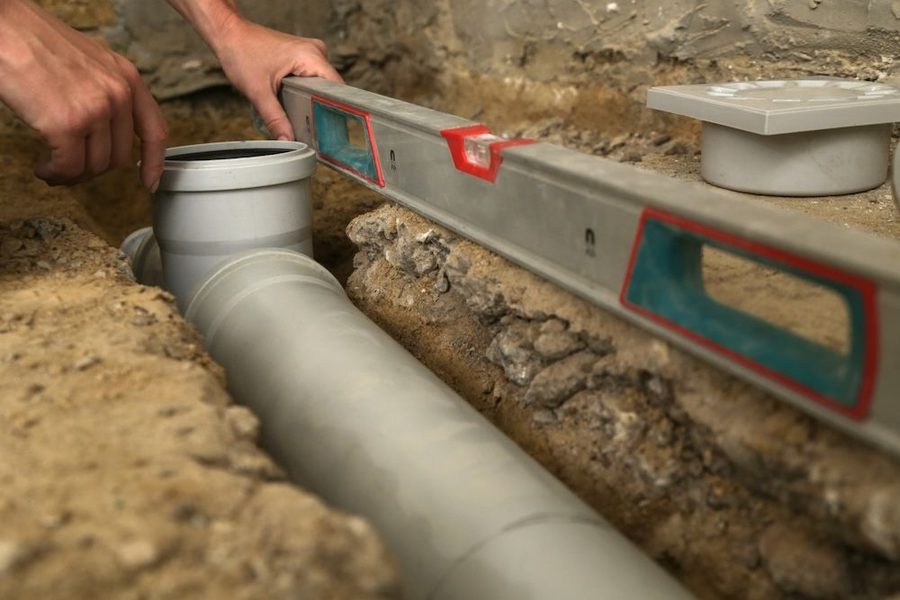
The sewer lateral is the underground pipe transporting wastewater from the home to the municipal sewer main operated by WSSC Water (Washington Suburban Sanitary Commission). The buyer owns and is financially responsible for this entire line up to the property boundary.
A standard home inspector runs water for a few minutes, confirming that drains currently function. However, if the main line is cracked, bellied (sagging), or filled with tree roots, running a full household load of laundry or multiple showers will cause raw sewage to back up into the basement.
A dedicated video sewer camera inspection feeds a high-definition fiber-optic camera down the main drain line, revealing the structural integrity of the pipe before you commit to purchase.
3. Cast Iron Drain Lines under Basements and Slabs
Many mid-century Silver Spring homes feature cast iron drain and vent stacks. Cast iron has an average lifespan of 50 to 70 years. Over decades, acid in wastewater causes the bottom of horizontal cast iron pipes (channeling) to erode away completely. This allows raw wastewater to leak beneath concrete basement slabs, destabilizing soil and attracting pests.
4. Main Water Pressure and Expansion Tank Compliance
Water pressure delivered by WSSC can fluctuate based on local elevation changes in Montgomery County. High municipal water pressure (above 80 PSI) stresses fixture valves, appliance hoses, and pipe joints.
Pressure Reducing Valve (PRV): Verify whether the home has an active, functional PRV installed near the main shut-off valve to keep household water pressure in the safe 50 to 70 PSI range.
Thermal Expansion Tanks: Modern Montgomery County plumbing code requires a dedicated expansion tank installed above the water heater. If a home lacks an expansion tank, closed-loop thermal expansion can cause premature water heater tank failure.
5. Water Heater Age and Sediment Accumulation
Traditional tank-style water heaters have an average operational lifespan of 8 to 12 years. Inspect the manufacturer label on the water heater cabinet to determine the age of the unit.
If the water heater is past ten years old, displays visible rust around the bottom seam, or makes loud rumbling noises when heating (caused by heavy mineral sediment baking at the bottom of the tank), negotiate a replacement credit into your final purchase agreement.
Pre-Closing Plumbing Checklist for Buyers
Before signing your final closing papers on an older Silver Spring home, ensure your inspector or licensed plumber evaluates these five essential plumbing checkpoints:
1. Underground Sewer Lateral
What to Inspect: Schedule a video camera scope to check for tree root intrusion, pipe sagging (bellies), cracks, or offset joints in original terra-cotta clay or cast iron lines.
Risk Level: High. Sewer main line repair or replacement requires excavation and carries substantial repair costs.
2. Household Supply Piping
What to Inspect: Examine accessible basement, crawl space, and utility room pipes for dull gray polybutylene plastic or corroded, rust-choked galvanized steel.
Risk Level: High. These legacy materials carry a high risk of sudden pipe bursts or severe pressure loss, often requiring a full house repipe.
3. Main Water Shut-Off Valve
What to Inspect: Locate the main shut-off valve near the water meter or line entry point to verify the valve handle turns smoothly and is free of stem leaks or heavy corrosion.
Risk Level: Medium. A frozen or leaking main gate valve prevents you from shutting off water quickly during a sudden burst pipe or home flooding emergency.
4. Water Heater Age and Code Compliance
What to Inspect: Check the unit’s manufacturer label for age (units over 10 years old are past their expected lifespan), check for rust around the bottom seam, and verify a thermal expansion tank is installed above the unit.
Risk Level: Medium. Aging tanks are prone to sudden leaks or heating failure and may violate current Montgomery County plumbing code if missing an expansion tank.
5. Whole-Home Drain Flow and Fixture Performance
What to Inspect: Run multiple taps and showers simultaneously while flushing toilets, watching for slow-draining tubs, gurgling sinks, or bubbling toilet bowls.
Risk Level: Medium. Slow drainage across multiple fixtures indicates an active mainline obstruction or partial blockage inside main drain stacks.
Protect Your Real Estate Investment
Buying a historic or mid-century home in Silver Spring should be an exciting milestone, not a journey into hidden financial stress. Identifying structural pipe decay, main line root intrusion, or outdated materials before closing provides powerful leverage during purchase negotiations. Requesting repair credits, requiring seller repairs prior to closing, or adjusting your purchase price ensures you do not face surprise plumbing disasters on move-in day.
Secure your prospective home investment today. Contact Brian B. Quick Plumbing or schedule your pre-closing plumbing evaluation online!

Excellent Plumbing Maintenance


Recent Posts
Contact Us
for Your Home Improvement Needs
Contact Us
Why Choose Brian B. Quick?
We Provide Excellent Customer Service and High-Quality Products for Lasting Results
- Family-owned and operated
- 4th Generation Master Plumbers
- Licensed and certified
- Upfront and fair pricing
- Open 24/7
- No travel or overtime fees
- Recognized by BBB, Angi, and PHCC

Serving the Washington Metropolitan Area: Gaithersburg, Germantown, Rockville, Potomac, Beltsville, Silver Spring, Washington DC, Bowie, and more!
Serving the Baltimore Metropolitan Area: Baltimore, Ellicott City, Glen Burnie, Columbia, Towson, Dundalk, Pikesville, Middle River, Odenton, and more!